

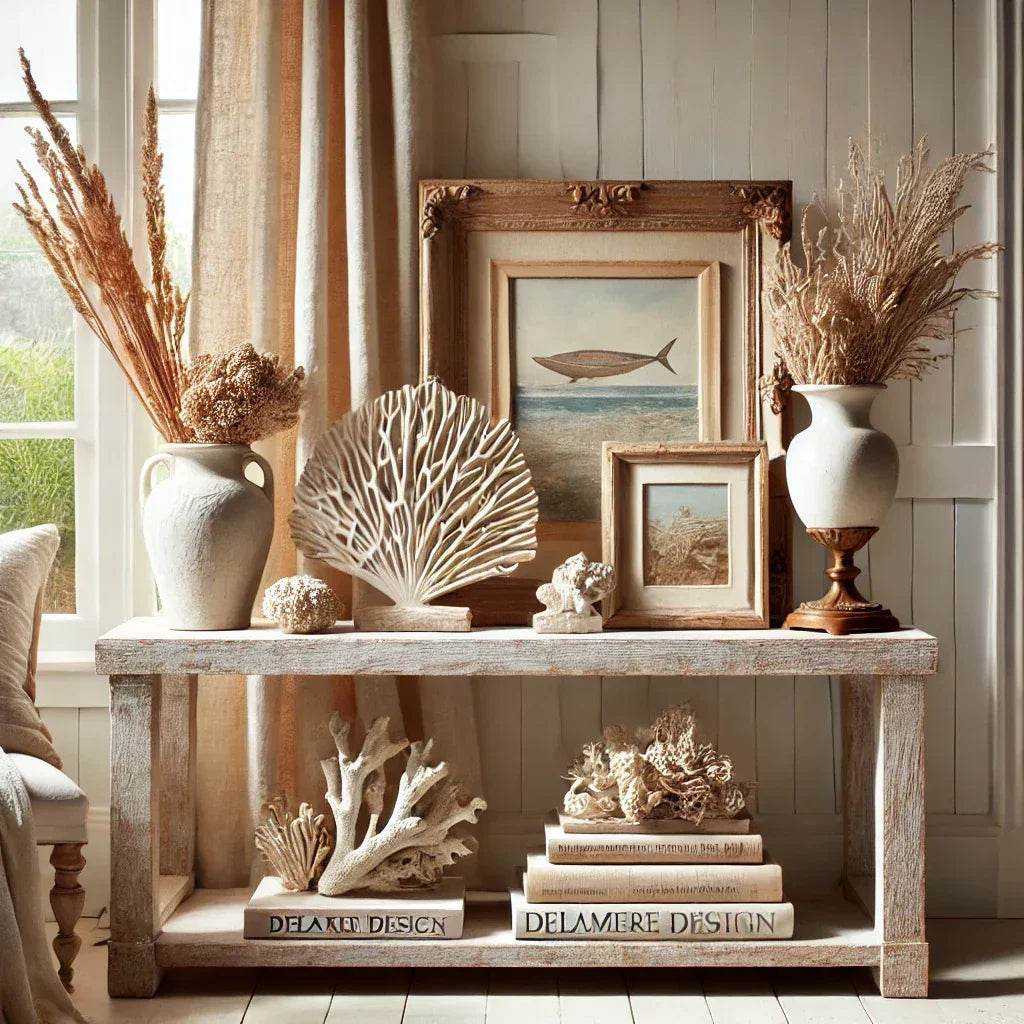
Decorative Objects & Sculptures
Decorative objects and sculptural forms serve as the quiet artifacts of a considered interior—each one adding rhythm, texture, and presence. This collection draws from the vocabulary of coastal design, not through theme, but through materiality and silhouette—offering pieces that ground a space with organic character and geometric structure.


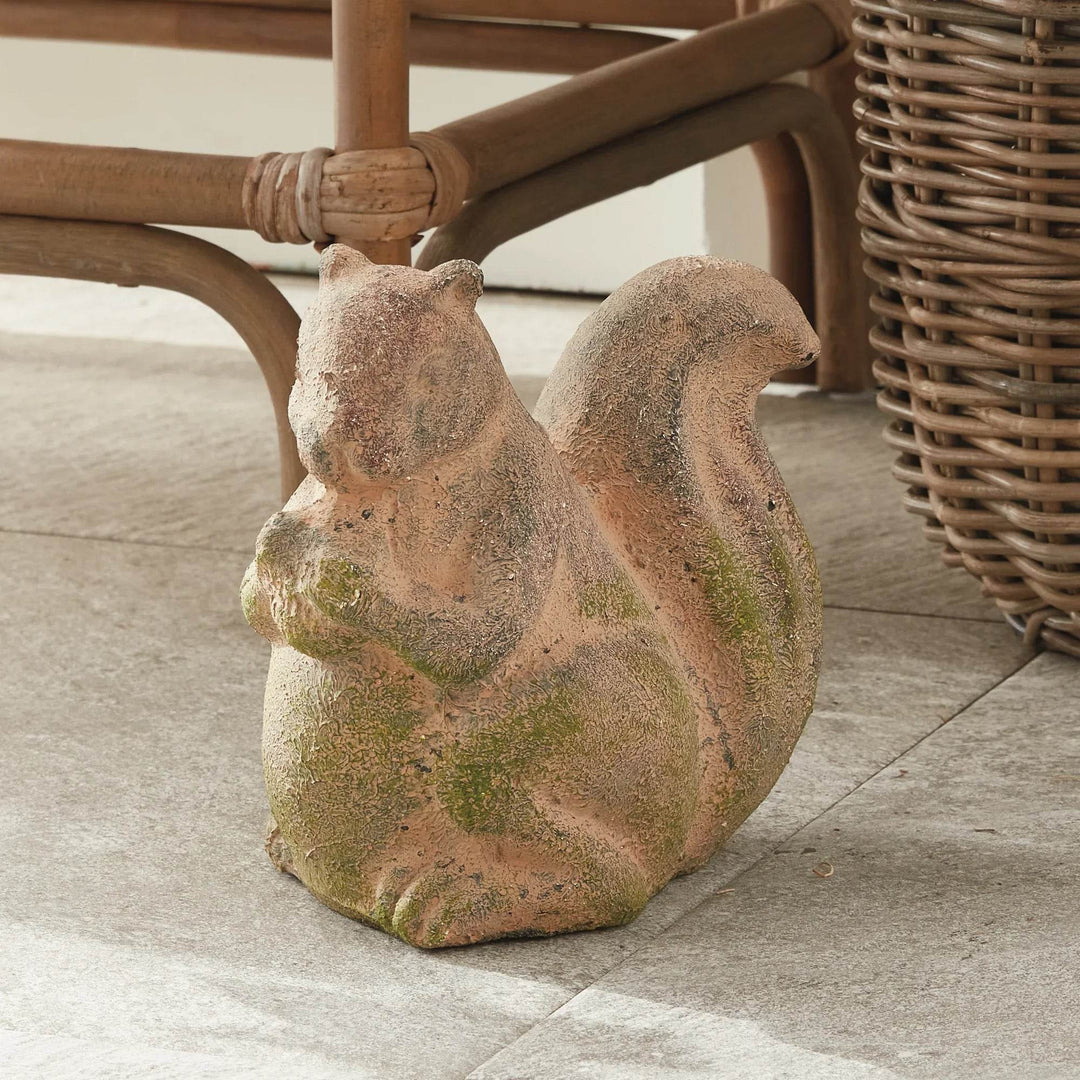
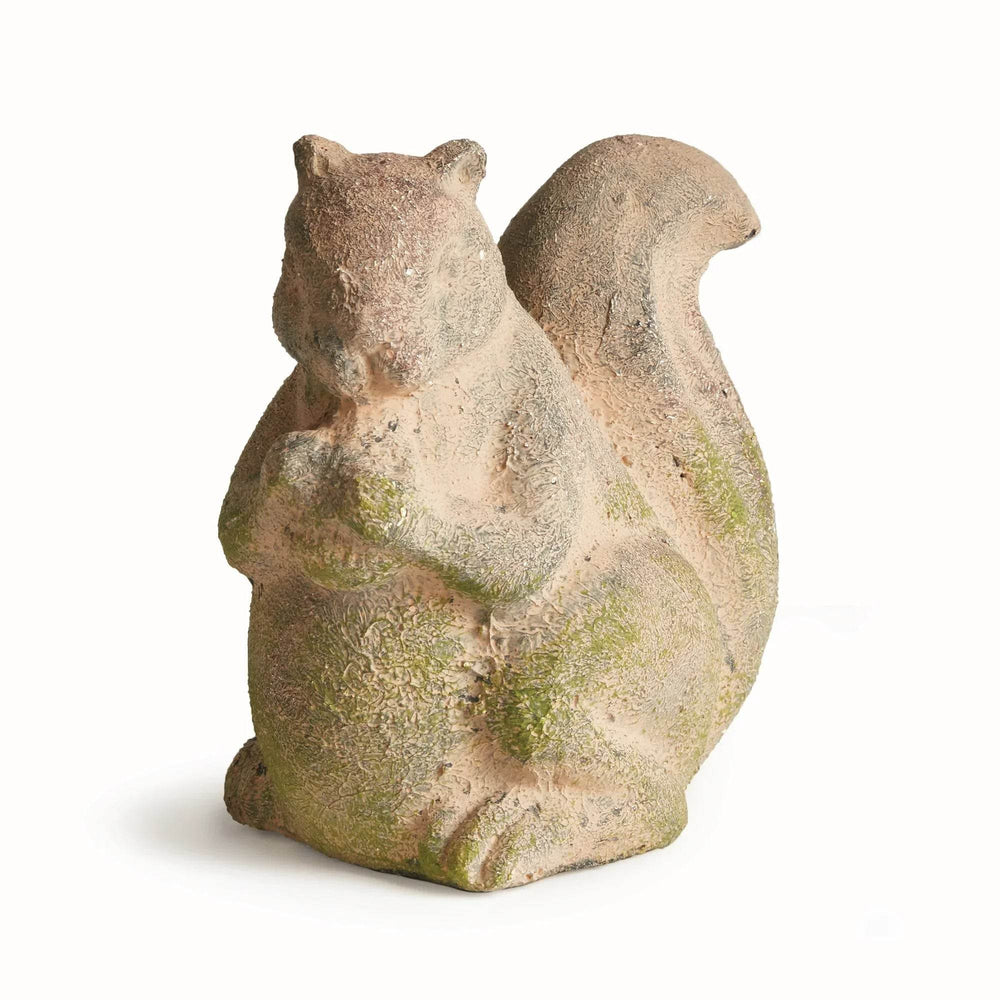


Choosing the Right Decorative Objects and Sculptures for Your Space
The Philosophy of Form
Decorative objects are the connective tissue of a well-composed interior—offering rhythm, silhouette, and contrast. In a coastal-inspired space, these forms evoke the natural asymmetry of shoreline elements while remaining elevated and intentional. Abstract sculptures and geometric accents introduce architectural weight and sculptural balance, acting as focal points that draw the eye across surfaces. Whether fluid or structured, each object contributes to a visual dialogue that feels curated rather than staged.
The Literal Foundation
This collection reflects a refined mix of material influences—from hand-cast aluminum and sandblasted glass to weathered stone and kiln-fired ceramic. Sculptural pieces are selected for both their mass and texture, with finishes that include matte plaster, metallic patina, and artisanal glazing. Many objects showcase tonal irregularities or tactile imperfections, reinforcing their hand-crafted nature and giving each piece its own distinct identity. These are not props—they are structural accents meant to anchor a room with quiet authority.
The Stylist’s Directive
Styling sculptural decor is about tension and restraint. Use the Triangle Rule when grouping: pair tall, medium, and low objects with varied textures and silhouettes. A cast-metal ring, a glazed ceramic orb, and a hand-carved animal figure can create a layered vignette that feels both spontaneous and composed. On shelves, alternate between open space and sculptural mass to avoid visual overload. When working with coastal textures, lean into contrast—balance woven or natural elements with sleek, geometric forms to avoid leaning too rustic or too formal.
The Curated Connection
For a complete composition, pair sculptural accents with the textural height of our Artisanal Vases & Vessels, or contrast them with the ambient glow of our Candle Holders & Hurricanes to create a warm, editorial moment.
Styling and Caring for Decorative Sculptures and Objects: FAQs
This collection includes hand-cast aluminum, kiln-fired ceramic, sandblasted glass, weathered stone, and matte plaster. Many pieces incorporate hand-applied finishes such as patinas, reactive glazes, or tonal washes—chosen for their ability to mimic the raw, sunworn surfaces found in coastal environments while maintaining an elevated, sculptural presence.
Use the Triangle Rule: group objects of varying heights, masses, and textures to create a balanced, asymmetrical composition. Start with one bold structural piece—a ring, cube, or orb—then add smaller organic forms or accents to soften the silhouette. Leave negative space around the grouping to create breathing room and signal intentionality.
Select objects made from non-porous materials such as glass, aluminum, or sealed ceramic for bathroom styling. Avoid placing unsealed stone or plaster directly near moisture. In all cases, keep sculptural pieces off direct wet surfaces and use risers or trays to protect both the object and the surface below.
For patinated or matte metal finishes, avoid abrasive cloths or liquid cleaners. Dust regularly with a soft microfiber cloth. For plaster or chalky-texture objects, spot clean gently with a dry or barely damp cloth, avoiding any rubbing that could disturb the finish. Do not apply polish or sealants unless specifically indicated.
Yes, but the key is balance. Avoid heavy thematic groupings—pair one organic or figurative object, such as a carved animal form, with minimal geometric elements like a ring or abstract block. This contrast creates a grounded, modern take on coastal styling that avoids visual clichés and supports editorial cohesion across the space.