


Decorative Wall Clocks
Decorative wall clocks designed to bring both function and visual rhythm to your space. Sculptural forms, refined materials, and subtle coastal influences create timepieces that feel intentional, elevated, and timeless.




Choosing the Right Decorative Clock for Your Space
The Philosophy of Form
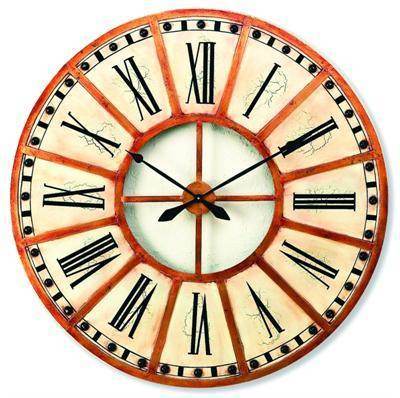
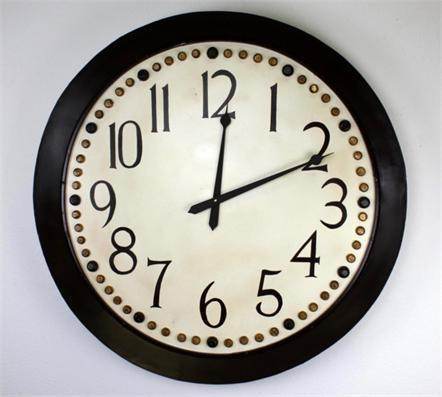
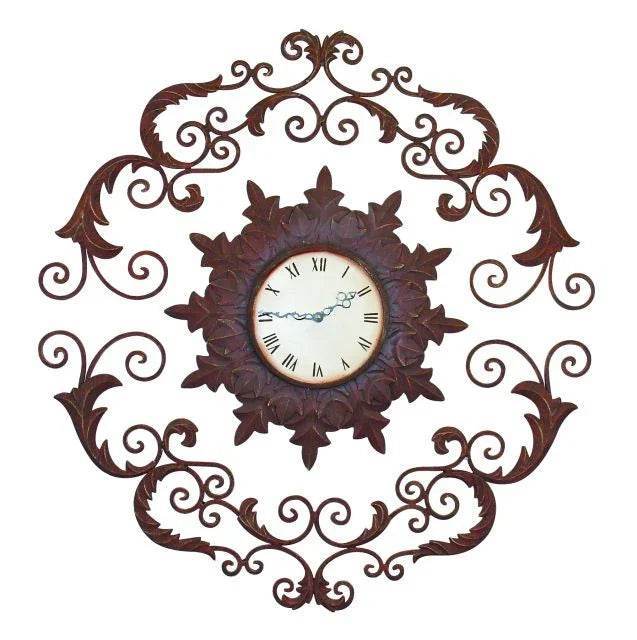
Clocks do more than tell time — they establish rhythm, character, and presence within a room. A thoughtfully chosen timepiece bridges function and aesthetic, punctuating walls with compositional balance and quietly shaping the pulse of daily life. Whether a vintage‑inspired brass porthole or a sculptural wood‑framed dial, each clock introduces a visual anchor that harmonizes proportion, texture, and movement. In this way, clocks become integral elements of your interior narrative, weaving practicality and visual poetry together through every hour and moment.
The Literal Foundation
This curated collection features materials that reinforce both durability and design intention: burnished brass with subtle patina, heirloom‑inspired wood faces with depth and grain, and resilient iron with aged finishes. Many timepieces incorporate precision quartz movements for reliable performance, while details like rope accents and beveled glass speak to craftsmanship and tactile presence. From matte black silhouettes to nautical brass portholes, these clocks are chosen not just for their accuracy but for their ability to resonate within varied interiors — from coastal havens to transitional and vintage‑centric.
The Stylist’s Directive
When styling with clocks, scale and context are paramount. Large‑format wall clocks command attention as focal points above mantels, consoles, or in entryways, while smaller designs layer beautifully with art and architectural elements in living rooms or hall niches. Align clocks with nearby furniture proportions — a clock spanning roughly two‑thirds the width of the console below creates a grounded visual anchor. For gallery arrangements, balance clocks with framed art or mirrors to achieve cohesive rhythm. In coastal or vintage interiors, clocks with rope, nautical, or aged metal accents enhance narrative charm without overpowering other elements.
The Curated Connection
To extend your curated story, pair a statement clock with framed pieces from our Wall Art & Decorative Prints collection to balance structure and texture, or complement their sculptural forms with the warmth of our Hurricanes & Candle Holders for layered visual depth and ambient glow.
Styling and Maintaining Decorative Clocks: FAQs
As a general rule, select a clock that spans roughly two-thirds the width of the furniture below it — whether above a console, mantel, or entryway bench. For standalone walls, scale the clock based on the available negative space, ensuring at least 6–8 inches of clearance from surrounding edges. Oversized clocks make strong focal points, while medium formats integrate well into gallery arrangements.
Most of our clocks operate on a silent quartz movement powered by a single AA battery, offering precision timekeeping without cords or visible hardware. This keeps installation clean and versatile for any room. Always refer to the product description for movement details, as some styles include removable backs or specialized fasteners.
Use wall anchors or wood studs for larger clocks to ensure stability and prevent shifting over time. For smaller designs, standard picture hooks rated above the clock’s weight will suffice. When hanging above furniture, aim for the center of the clock face to sit around 60 inches from the floor for optimal sightlines and symmetry.
Use a soft microfiber cloth to remove dust from clock faces, frames, and glass surfaces. For brass or aged metal finishes, avoid liquid cleaners that could strip the patina — instead, wipe gently with a dry cloth. Avoid spraying directly onto the surface, especially near seams or moving parts.
Absolutely. Clocks pair well with framed prints, mirrors, or sculptural wall decor — especially when grouped with balanced spacing and a shared visual baseline. To keep the composition cohesive, vary shapes and sizes but limit the palette to complementary materials or tones. A clock within a gallery wall adds both function and movement to a static layout.