


Wall Mirrors
Wall mirrors function as architectural apertures, manipulating light and perspective to expand the perceived volume of a room. These structural elements serve as focal points that bridge the gap between functional utility and high-design artistry.


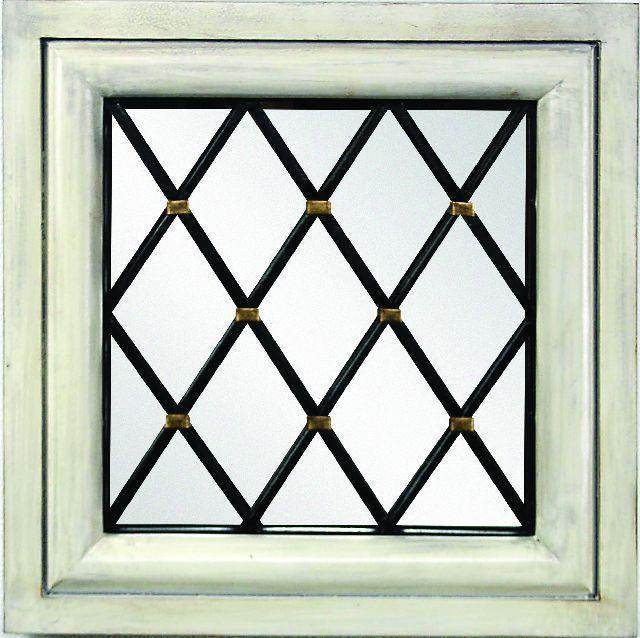


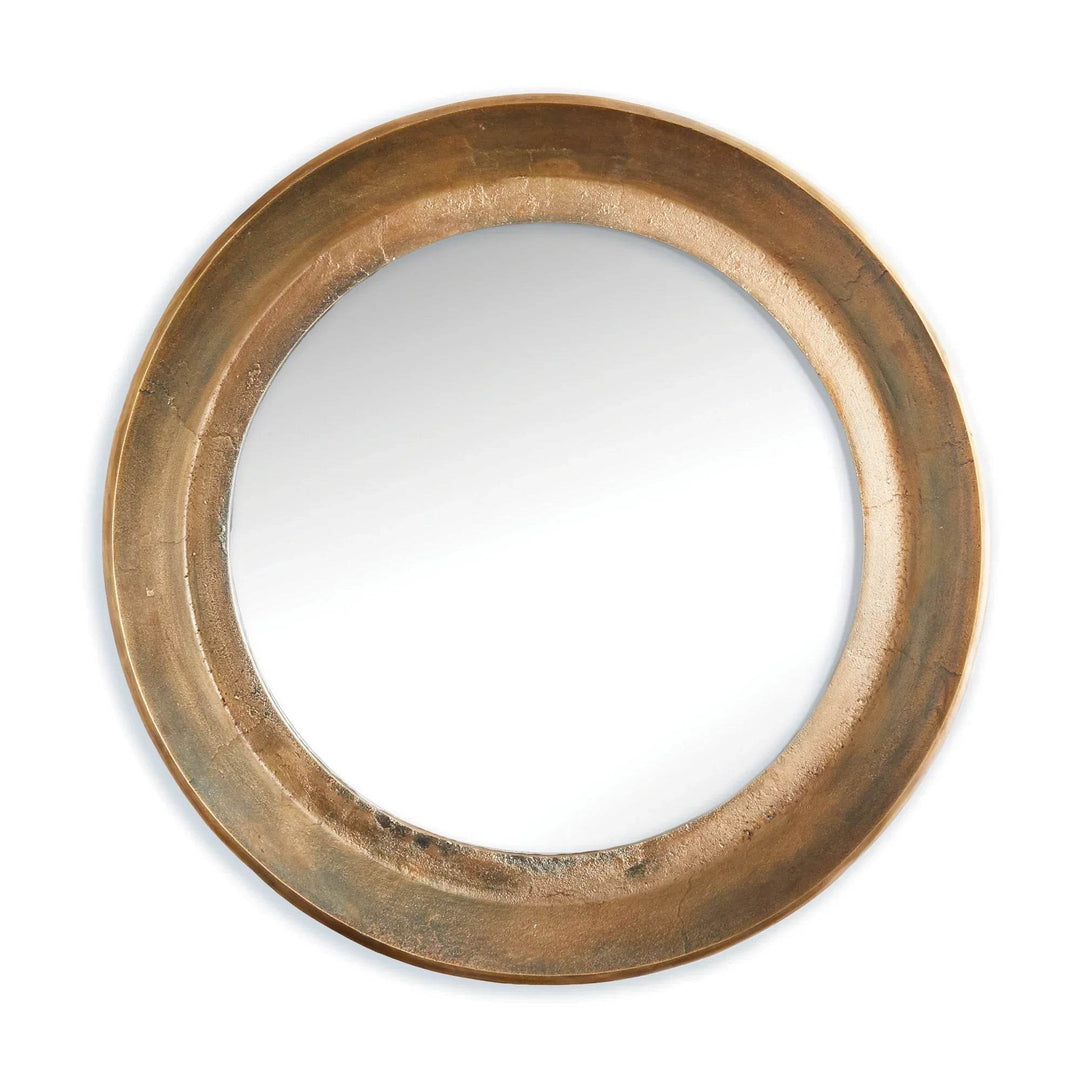
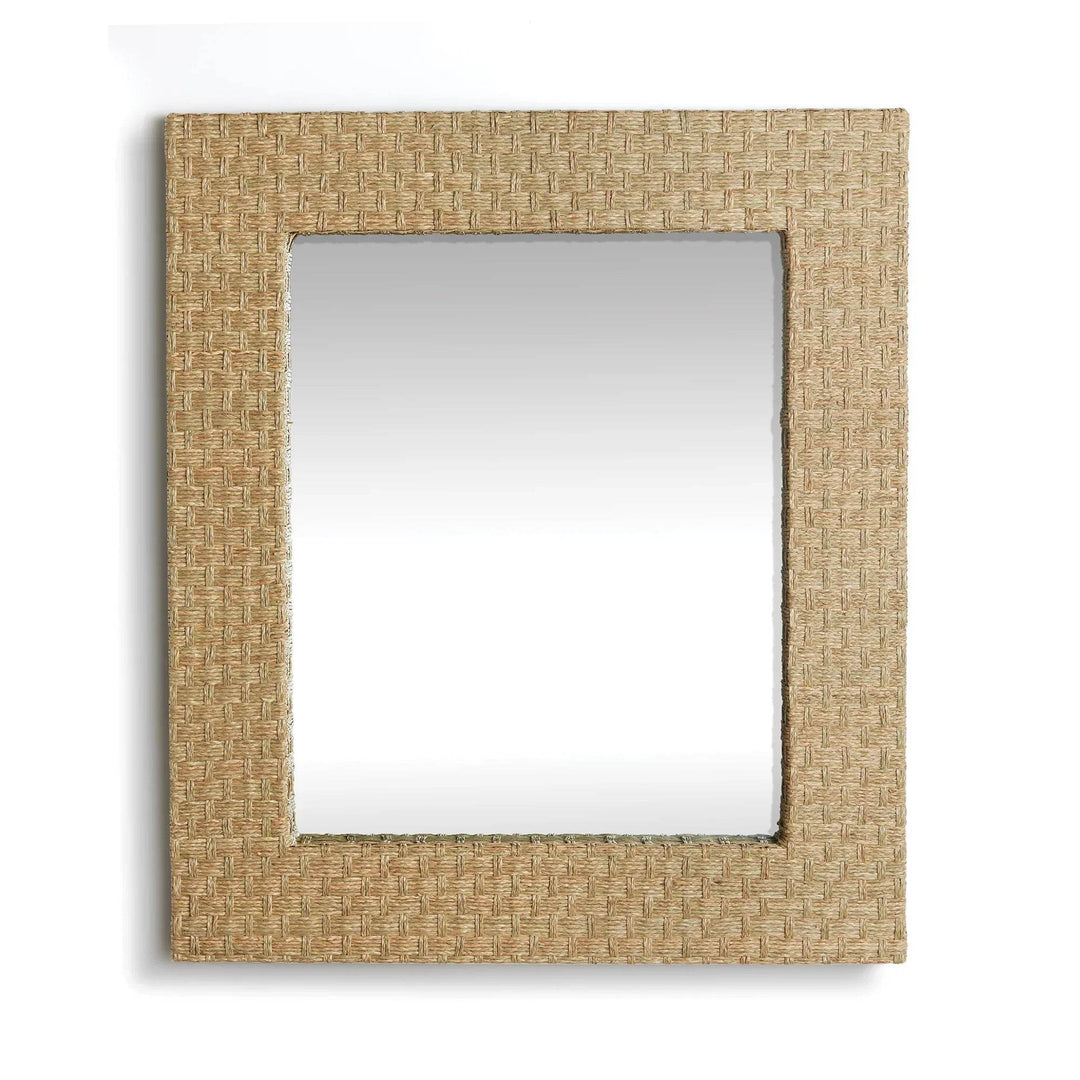


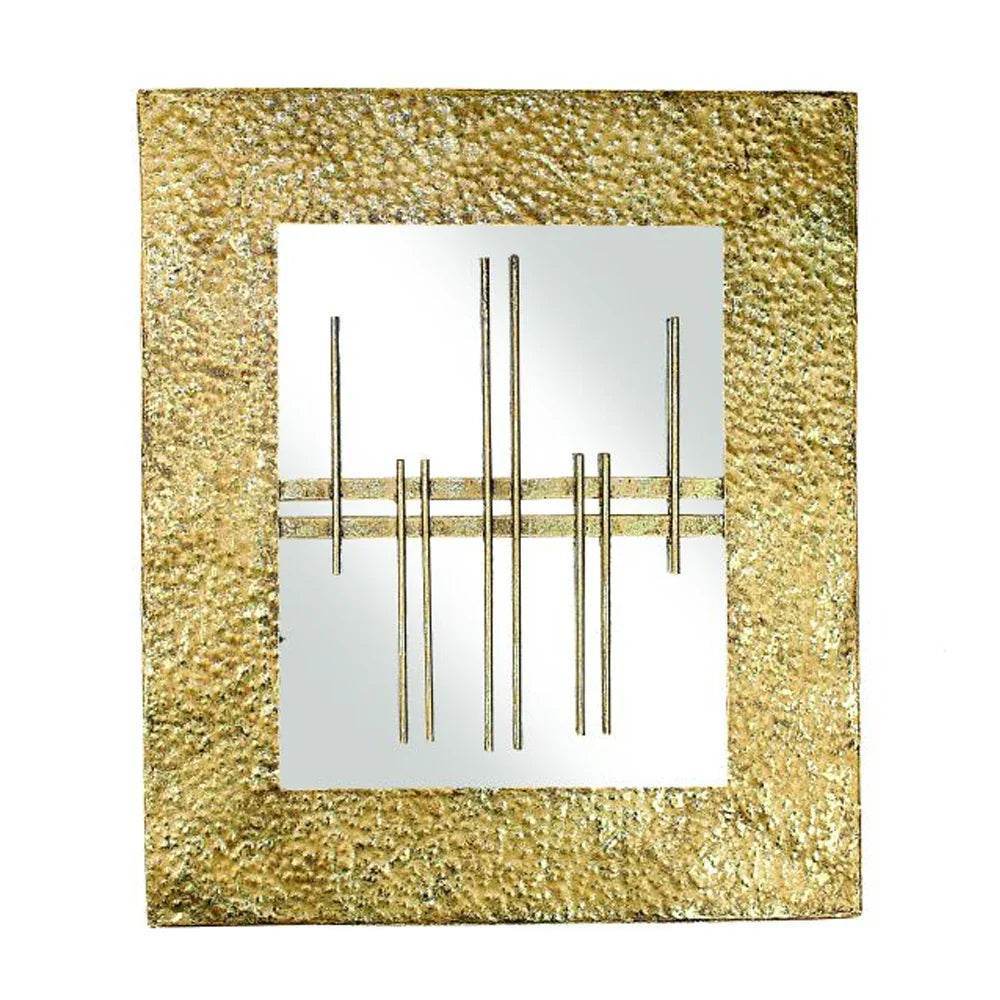
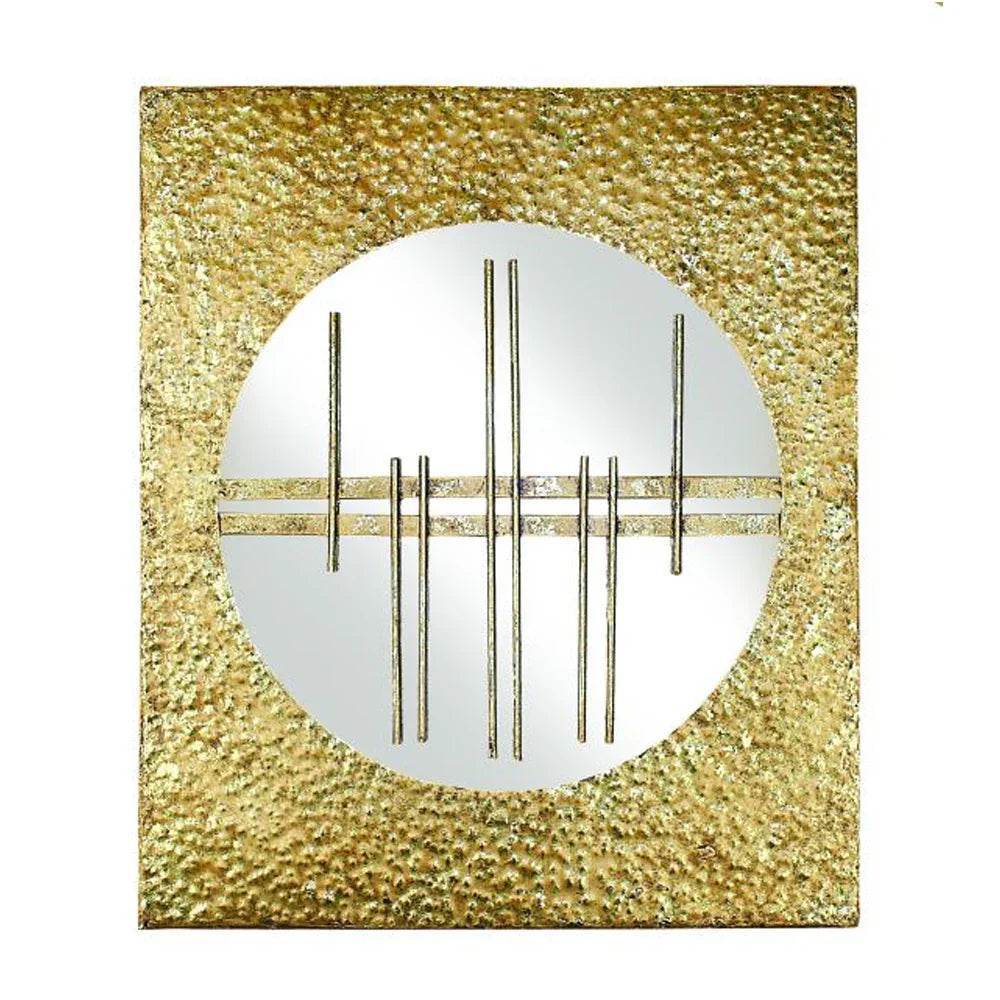
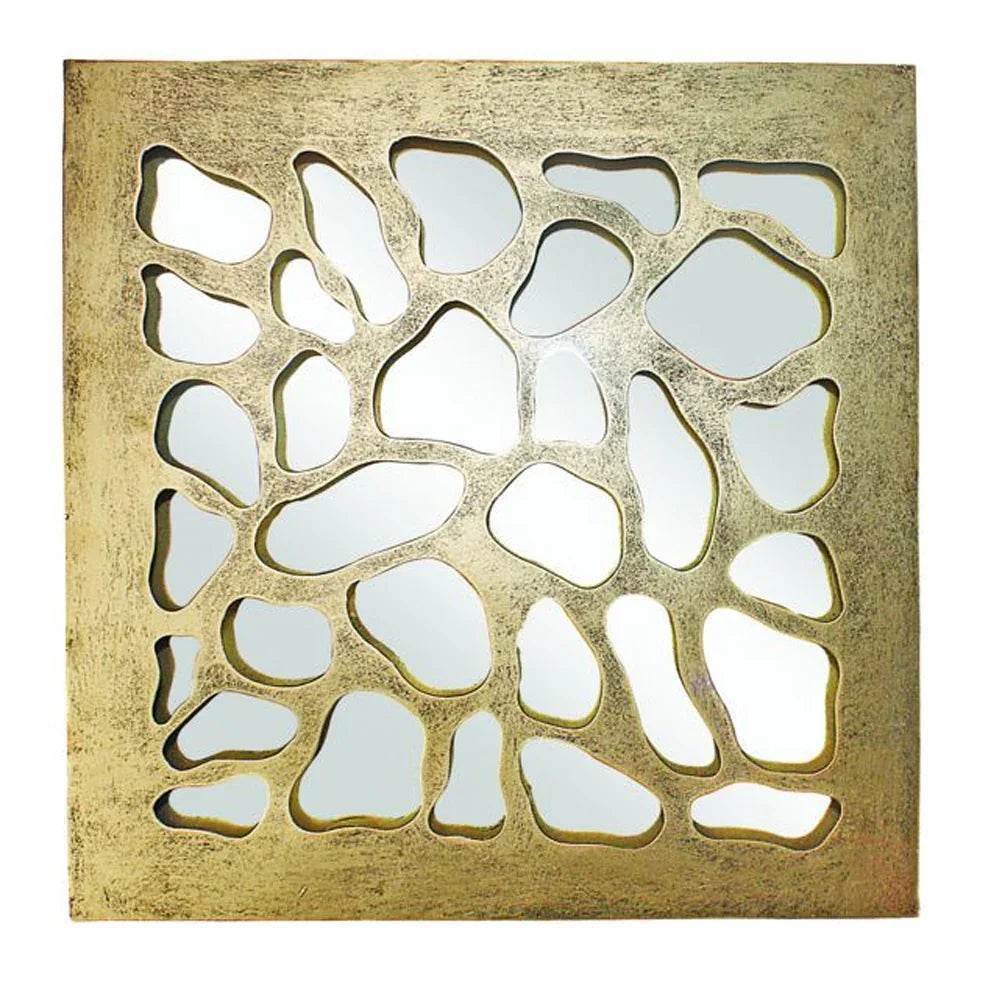
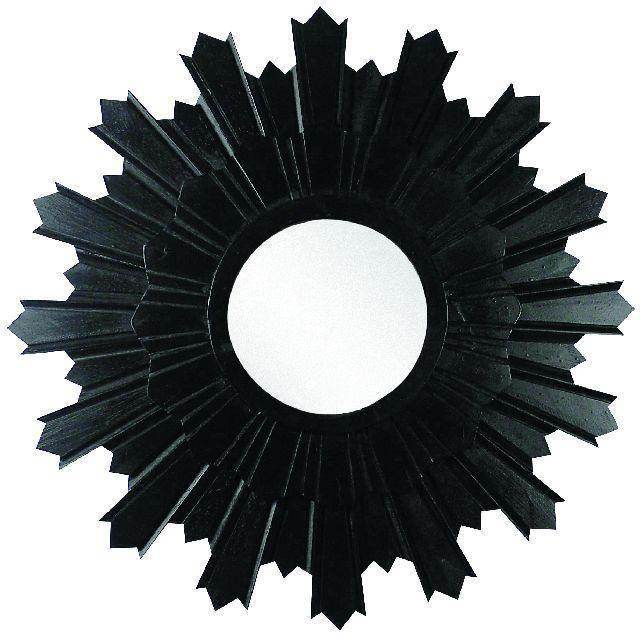
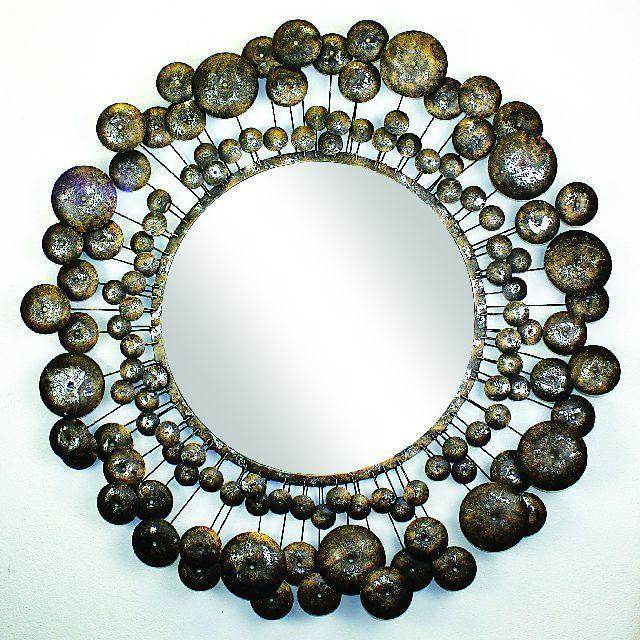




Choosing the Right Wall Mirror for Your Space
The Philosophy of Form
A well-placed mirror changes the energetic cadence of a room. More than functional accents, mirrors soften architectural edges and introduce "visual vents" where they are needed most. Whether it is the bold geometry of a rectangular frame or the relaxed curve of an organic oval, each silhouette sets the rhythm of the space. Mirrors act as portals—drawing in texture, natural light, and movement—making a room feel larger, calmer, and more connected through the use of borrowed scenery.
The Literal Foundation
What defines a quality mirror is the integrity of the silvering and the mass of the frame. This collection highlights materials with timeless character: hand-forged iron, solid hardwoods, and sand-cast metals that provide a weighted, premium feel. Many are finished with antiqued foils, hand-applied patinas, or layered textures that develop a quiet richness over time. Beveled glass edges are utilized to catch the light at the perimeter, while gently mottled or antiqued surfaces add depth and atmosphere without the harshness of modern glare.
The Stylist’s Directive
Mirrors are tools of balance and rhythm, and placement requires a sophisticated understanding of scale. In entryways, oversized mirrors bring instant brightness and a sense of arrival. Above consoles or mantels, the frame should span approximately two-thirds the width of the furniture below to maintain a grounded center of gravity. Facing a window, a mirror doubles the light source; in tighter spaces, leaning a tall mirror against the wall adds a "stylist’s studio" dimension without the need for mounting. The goal is to create atmosphere rather than mere utility.
The Curated Connection
For a cohesive aesthetic, explore our Wall Art & Decorative Prints to build a layered gallery moment, or pair your mirror with the soft glow of our Table Lamps to enhance both light and mood.
Choosing and Maintaining Wall Mirrors: FAQs
Aim for the center of the mirror to sit at eye level—typically 57 to 60 inches from the floor. When placing above a console or mantel, leave a 6–8 inch gap between the surface and the bottom of the frame to keep the arrangement grounded and proportional.
To protect hand-applied patinas and metallic foils, spray glass cleaner onto a cloth — not directly onto the mirror — to prevent liquid from seeping behind the frame and causing “black edge.” Use a separate dry microfiber cloth to gently wipe the frame and preserve the finish integrity.
Mirrors in this collection with iron or stainless steel frames are well suited for high-moisture areas. For styles featuring solid wood or delicate metal foils, we recommend dry environments to prevent oxidation and preserve the color and clarity of the frame long-term.
Always utilize wall studs when possible, using French cleats or heavy-duty picture hooks rated for at least double the mirror’s weight. If studs are unavailable, high-quality toggle bolts offer necessary support; always ensure hardware is properly seated to maintain the structural integrity of the installation.
Yes — leaning a mirror adds softness and a contemporary dimension to a space. For safety in high-traffic areas or homes with children and pets, we recommend securing the top edge with an anti-tip kit or floor anchors to ensure the piece remains stable.